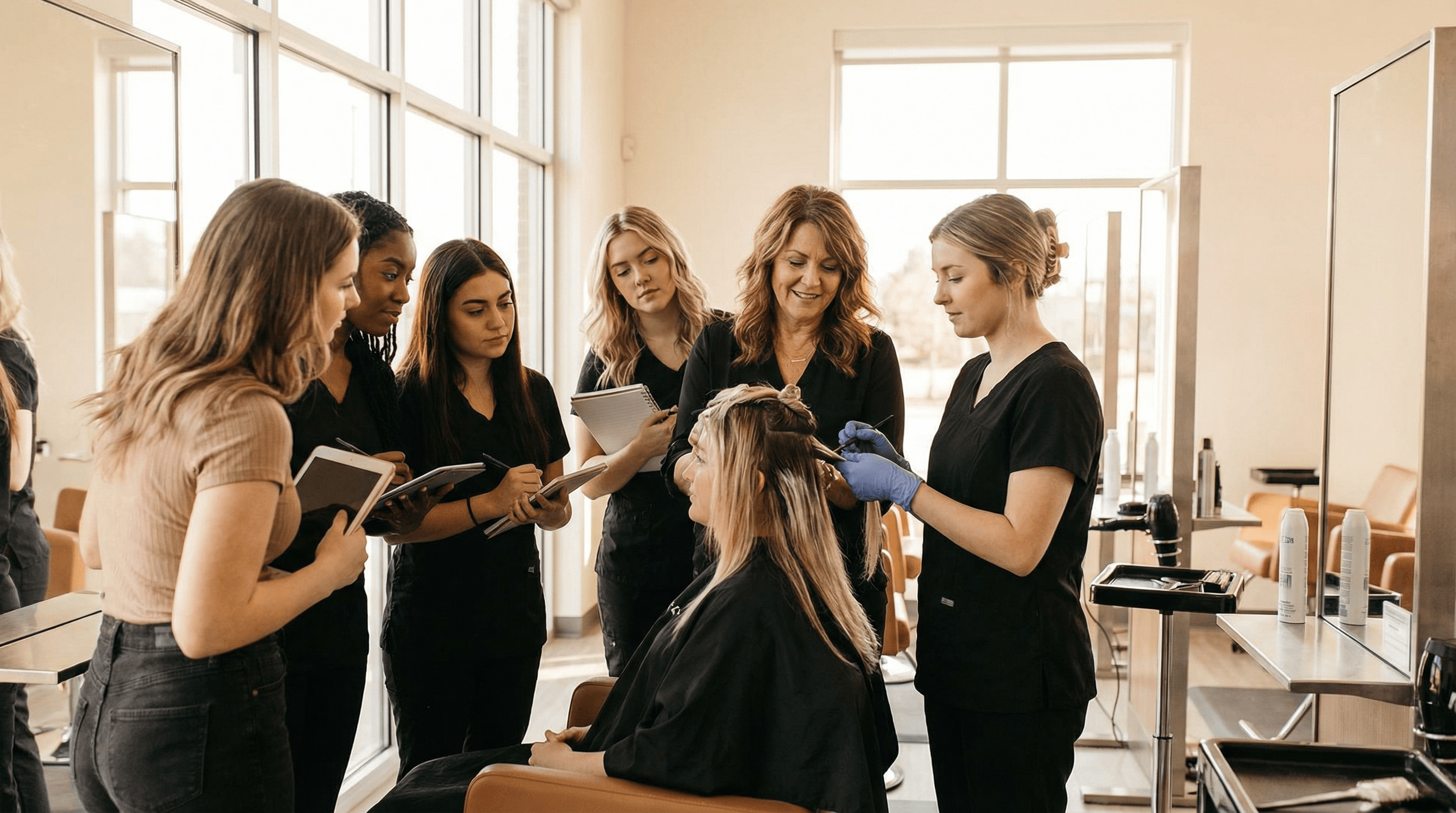
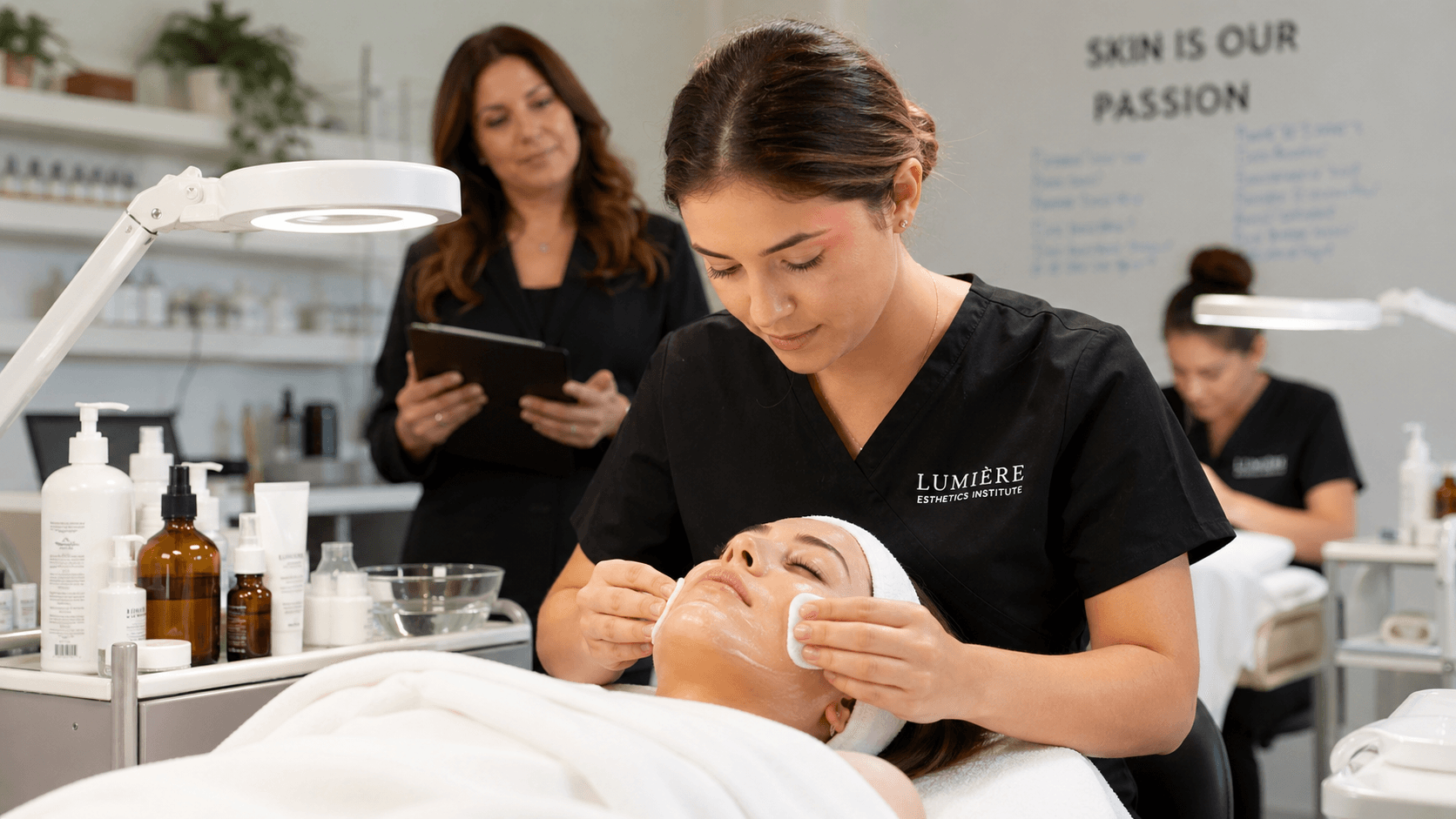
Cosmetology education is at a crossroads. The beauty industry is evolving faster than ever — new treatments, new technologies, new client expectations — but many beauty schools are still teaching with methods that haven't changed in decades.
The schools that are thriving in 2026 aren't just teaching technique. They're preparing students for the reality of running a modern beauty business, and they're using technology to do it more effectively than ever before.
Whether you're a cosmetology school owner, an instructor, or a student preparing for your future career, understanding how technology is reshaping beauty education will give you a significant advantage.
The Gap Between Education and Industry
There's a growing disconnect between what cosmetology students learn in school and what the industry actually demands.
What schools traditionally teach:
- Technical skills (cutting, coloring, skincare, nail art)
- Safety and sanitation
- State board exam preparation
- Basic client communication
What the industry actually requires:
- All of the above, PLUS
- Business management and entrepreneurship
- Digital marketing and social media
- Client relationship management
- Technology fluency (booking systems, CRM, digital forms)
- Financial literacy and pricing strategy
- AI and automation tools
Graduates who leave school without business skills often struggle in their first years — not because they lack talent, but because nobody taught them how to run a business, price their services, or attract clients.
Technology is helping schools close this gap.
How AI is Changing the Classroom
AI-Powered Lesson Planning
Creating curriculum is one of the most time-consuming parts of being a beauty educator. Between meeting state requirements, keeping content current, and engaging diverse learning styles, lesson planning can consume evenings and weekends.
AI lesson planning tools help educators:
- Generate comprehensive lesson plans aligned with state board requirements
- Balance theory and practical instruction with structured frameworks
- Create differentiated content for students at various skill levels
- Update curriculum quickly when industry trends or regulations change
- Save hours every week on administrative preparation
Instead of starting from a blank page, educators can collaborate with AI to create a detailed lesson plan in minutes, then customize it with their expertise and teaching style.
Practice Exam Simulation
State board exams are the gateway to a beauty career. The pressure students feel is real — and schools are increasingly using technology to prepare them more effectively.
AI-powered exam preparation tools offer:
- Realistic practice exams that mirror state board format and difficulty
- Adaptive questioning that focuses on areas where students struggle
- Instant feedback with explanations for correct and incorrect answers
- Progress tracking so students and instructors can monitor readiness
- Unlimited practice without requiring instructor time for each session
The traditional approach — handing out printed practice tests — can't match the personalized, immediate feedback loop that AI provides. Students who practice with AI-simulated exams consistently score higher on their actual state boards.
Intelligent Exam Prep Coaching
Beyond practice tests, AI coaching tools act as a personal study assistant for students:
- Identify weak areas and create targeted study plans
- Break complex topics into digestible explanations
- Answer student questions about theory, procedures, and regulations
- Provide 24/7 availability — students can study on their own schedule
- Reduce instructor burden for routine questions, freeing them for hands-on teaching
This doesn't replace the instructor — it amplifies their impact. When AI handles the repetitive Q&A and drill work, instructors can focus on what they do best: hands-on technique, mentorship, and real-time feedback.
Digital Classroom Management
Managing a classroom of aspiring beauty professionals comes with unique challenges. AI classroom management tools help instructors:
- Track student attendance and progress across theory and practical modules
- Identify struggling students early before they fall too far behind
- Create organized schedules that balance theory, hands-on practice, and clinic hours
- Generate performance reports for students and administration
- Manage clinic clients who visit for student-provided services
Preparing Students for the Digital Beauty Business
The most forward-thinking cosmetology schools in 2026 are teaching students to use the same digital tools they'll need in their careers.
Online Booking and Client Management
Students should graduate knowing how to:
- Set up and manage an online booking system
- Create a professional booking page
- Send automated appointment reminders
- Reduce no-shows with smart scheduling
Schools that incorporate real booking systems into their clinic programs give students hands-on experience with tools they'll use every day.
Digital Intake Forms and Documentation
Proper intake documentation is critical for client safety and liability protection. Students should learn:
- Why intake forms are essential for every service
- How to create forms for different treatment types
- How to review forms and identify contraindications
- How to store and manage client records digitally
Teaching this in school prevents graduates from skipping this crucial step in their own practices — a mistake that can have serious legal consequences.
Social Media and Digital Marketing
Most cosmetology programs dedicate minimal time to marketing. Yet in 2026, social media is how most beauty professionals build their clientele.
What schools should teach:
- Building a professional Instagram presence
- Creating content that showcases their work
- Basic photography skills for before/after documentation
- Understanding social media algorithms
- Converting followers into clients
Students who graduate with a portfolio and social media presence are miles ahead of those starting from zero.
Financial Literacy and Pricing
Understanding money is just as important as understanding skin or hair. Include lessons on:
- How to price services profitably
- Basic bookkeeping and tax obligations
- Managing business expenses
- Setting income goals and tracking against them
- Understanding booth rental vs. employment vs. ownership
Benefits for Schools and Instructors
Technology isn't just better for students — it makes running a school more efficient and effective.
For School Owners
Enrollment and marketing:
- AI tools can help create marketing content for student recruitment
- Digital presence improvements attract more prospective students
- Technology integration becomes a selling point for the school
Operations:
- Digital student records and progress tracking
- Automated scheduling and communication
- Reduced administrative overhead
- Better reporting for accreditation and compliance
Outcomes:
- Higher state board pass rates attract more students
- Better-prepared graduates build school reputation
- Alumni success stories become marketing assets
For Instructors
Time savings:
- AI-assisted lesson planning frees up hours for teaching
- Automated progress tracking reduces paperwork
- Practice exam tools handle repetitive drill work
- AI answers routine student questions
Better teaching:
- More time for hands-on instruction and mentorship
- Data on student performance identifies who needs extra help
- Current, relevant curriculum that stays up to date
- Tools to differentiate instruction for diverse learners
Professional development:
- Staying current with technology enhances your own skills
- Understanding AI tools prepares you for industry consulting
- Digital teaching skills are increasingly valued
Challenges and Considerations
Technology Shouldn't Replace Fundamentals
AI and digital tools are powerful, but beauty education still requires:
- Hands-on practice — No AI can teach a student how a facial feels under their fingertips
- Client interaction — Real human communication skills developed through practice
- Artistic development — Creativity and aesthetics that come from experience
- Instructor mentorship — Guidance, encouragement, and real-time feedback
Technology enhances the educational experience. It doesn't replace the human elements that make great beauty professionals.
Accessibility and Equity
Not all students or schools have equal access to technology. Consider:
- Providing devices for students who don't have their own
- Ensuring tools work on various devices (especially smartphones)
- Offering training on tools, not assuming digital literacy
- Choosing platforms with inclusive design and multiple language support
State Board Requirements
Technology integration must align with state board requirements:
- Ensure digital curriculum meets required hours and topics
- Document technology-assisted learning appropriately
- Verify that state boards recognize digital practice exam completion
- Stay current with regulatory changes around educational technology
A Modern Cosmetology Curriculum Framework
Here's what a technology-enhanced cosmetology program could look like:
Year/Program Structure
Foundation Phase (Months 1-3):
- Core theory with AI-supplemented study materials
- Introduction to digital tools and platforms
- Basic skills development with instructor demonstration
- Digital documentation and intake form training
Development Phase (Months 4-8):
- Advanced techniques with video tutorials and practice
- AI practice exams integrated into regular study
- Client management basics using real booking systems
- Social media portfolio development begins
Professional Phase (Months 9-12):
- Clinic work with real clients using digital systems
- Business planning with AI strategy tools
- Intensive state board preparation using AI simulators
- Marketing and portfolio completion for career launch
Assessment and Tracking
- Regular AI-simulated practice exams with progress reports
- Digital skill assessments and competency tracking
- Portfolio reviews including digital work
- Business plan presentations as graduation requirements
What Students Should Look for in a School
If you're considering cosmetology school, here's what a modern program should offer:
✅ State board pass rates above 85% — Higher rates suggest effective preparation
✅ Technology integration — Schools using modern tools, not just textbooks and mannequins
✅ Business education — Pricing, marketing, financial literacy included in curriculum
✅ Digital skills training — Booking systems, social media, client management
✅ Clinic experience — Real clients, real systems, real experience
✅ Career support — Job placement assistance, portfolio development, mentorship
✅ Current curriculum — Regularly updated to reflect industry trends
✅ Instructor quality — Experienced professionals who continue their own education
The Future of Beauty Education
Cosmetology education in 2026 and beyond will continue to evolve:
- Hybrid learning models — Combining in-person hands-on training with online theory
- AI-personalized education — Curriculum that adapts to individual student needs and pace
- Industry partnerships — Schools collaborating with brands and platforms for real-world experience
- Continuing education platforms — Lifelong learning that extends beyond initial licensure
- Global perspectives — Exposure to techniques and trends from around the world
The schools that embrace technology and teach business alongside technique will produce graduates who don't just survive in the beauty industry — they thrive.
Taking the First Step
For school owners and instructors:
Start small. Pick one area — exam preparation, lesson planning, or student management — and implement a technology solution. Measure the impact, get feedback from students, and expand from there.
For students:
Seek out programs that prepare you for the real world, not just the state board exam. The technical skills matter, but so does knowing how to build a business, find clients, and manage your career with modern tools.
The beauty industry needs skilled, business-savvy professionals now more than ever. The right education — enhanced by the right technology — is how we get there.
ProBeauty AI includes specialized tools for beauty educators — AI lesson planners, practice exam simulators, exam prep coaching, and classroom management assistants. Prepare your students for success with technology built for beauty education. Get started free.