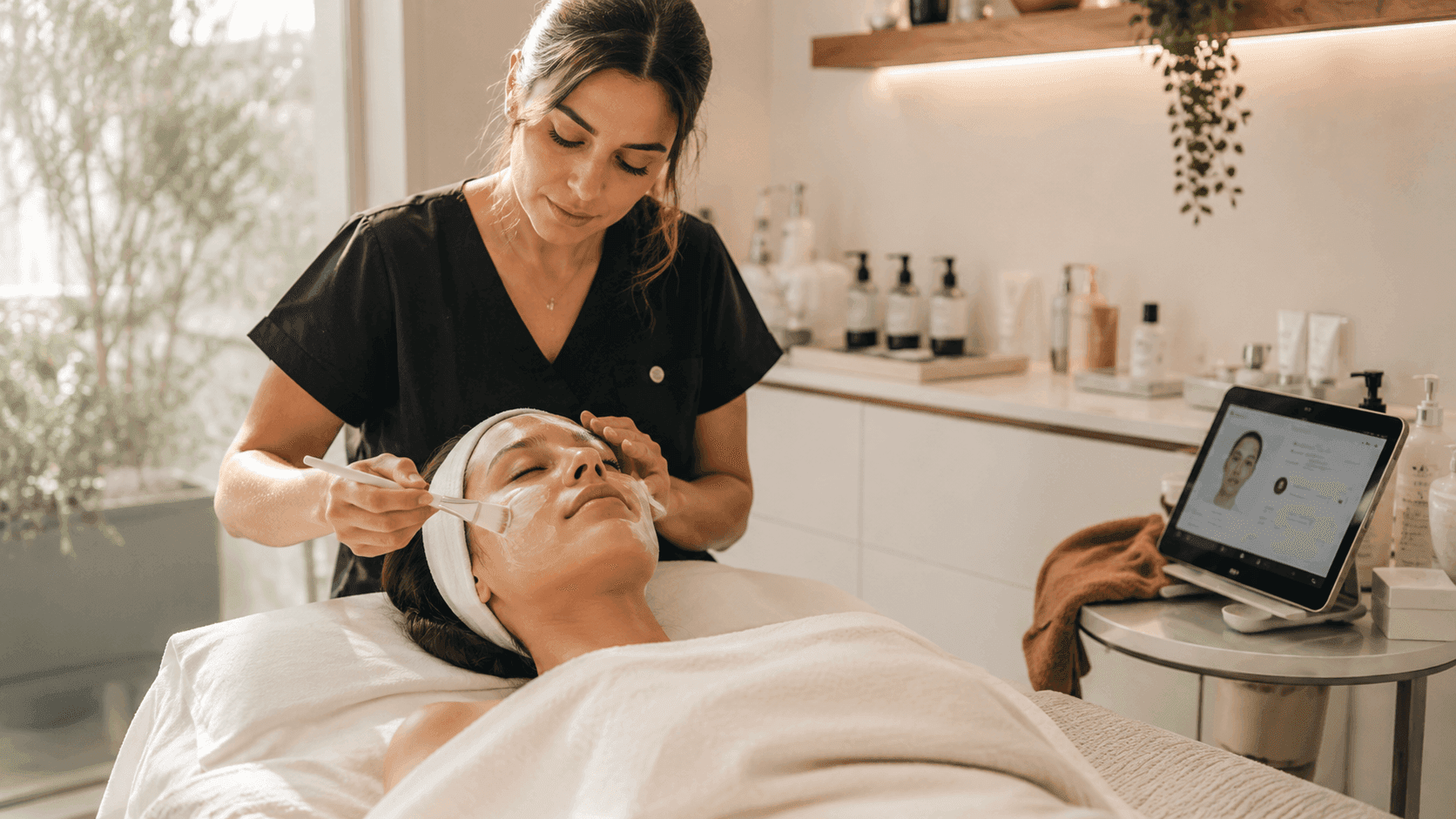
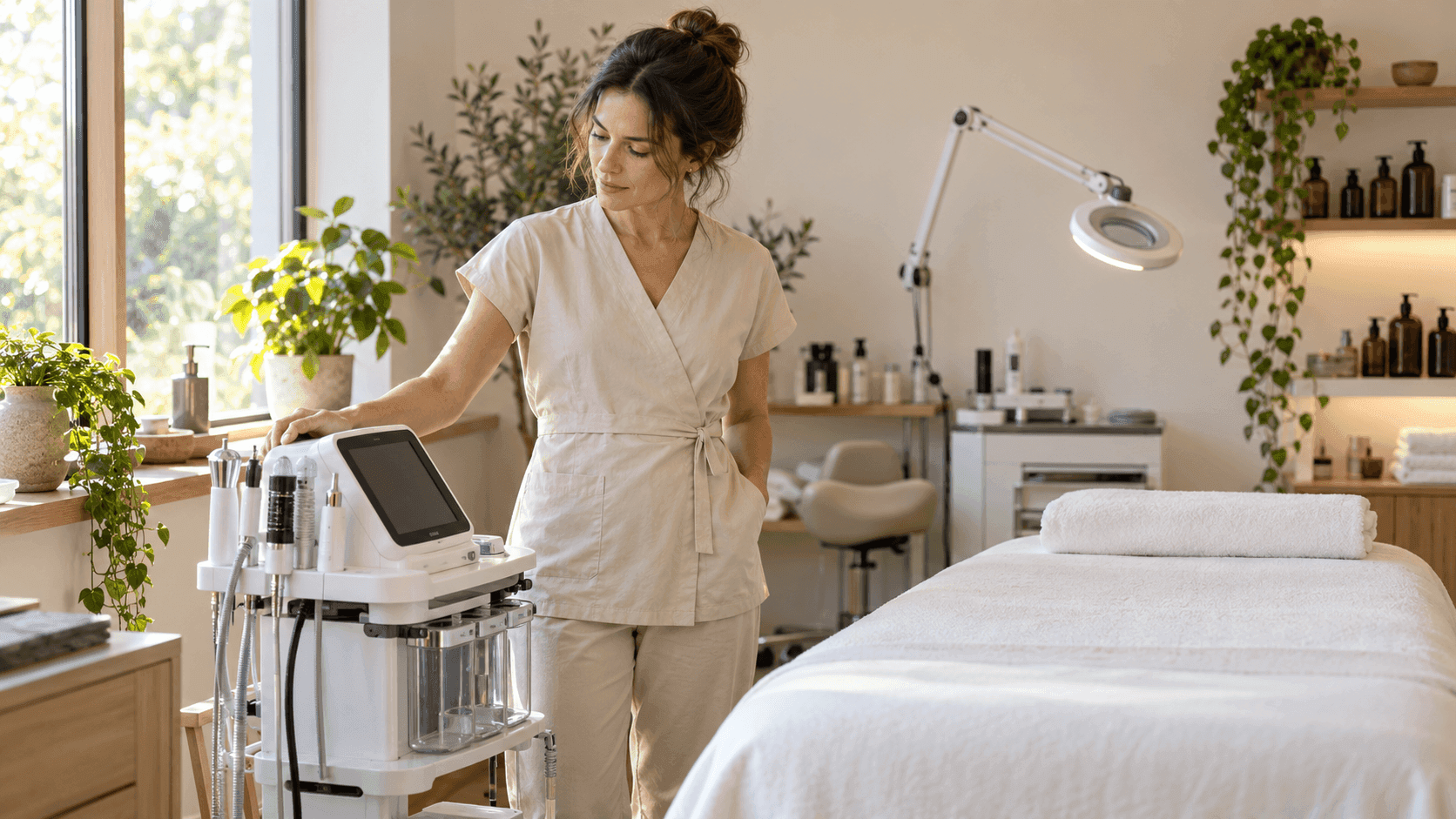
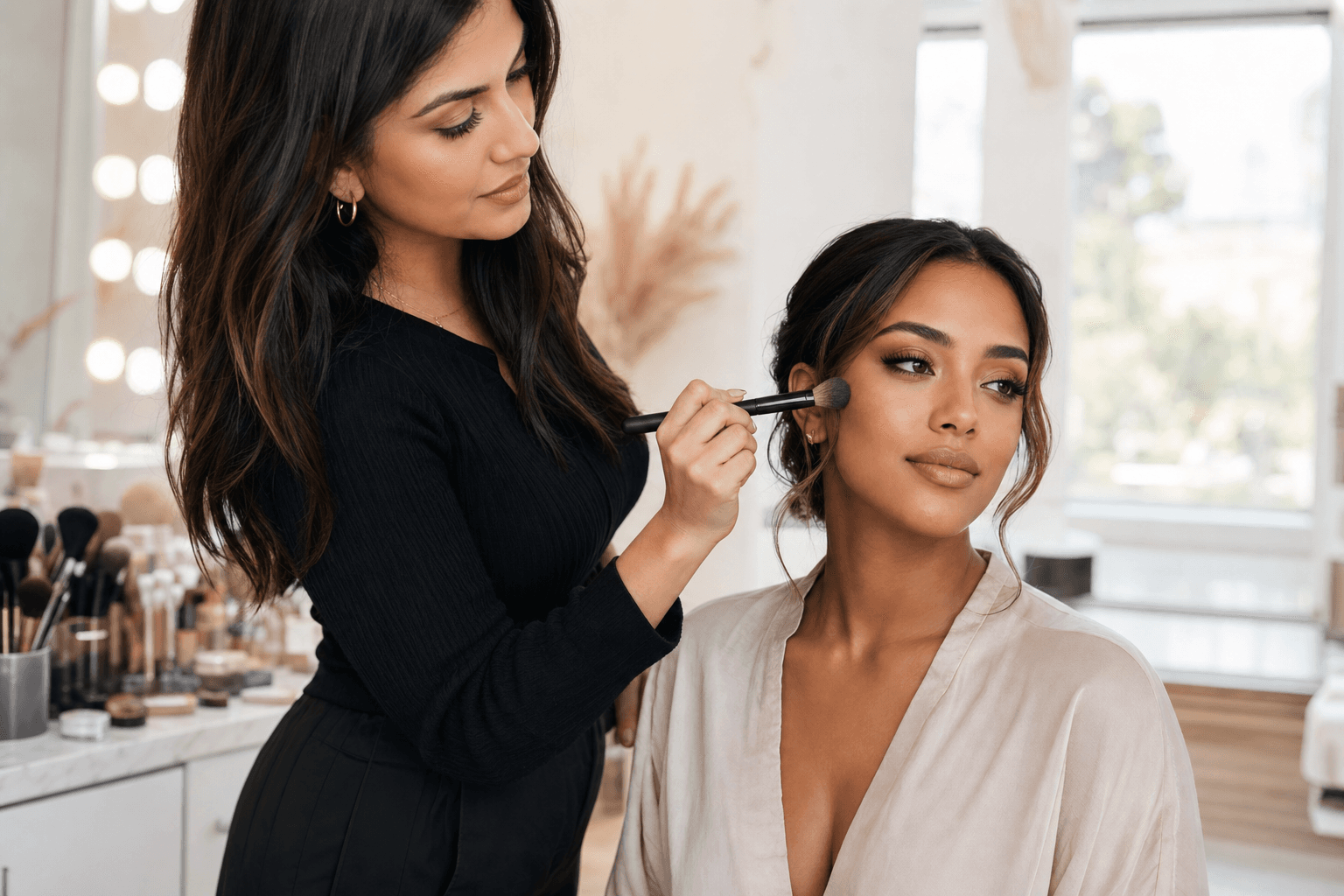
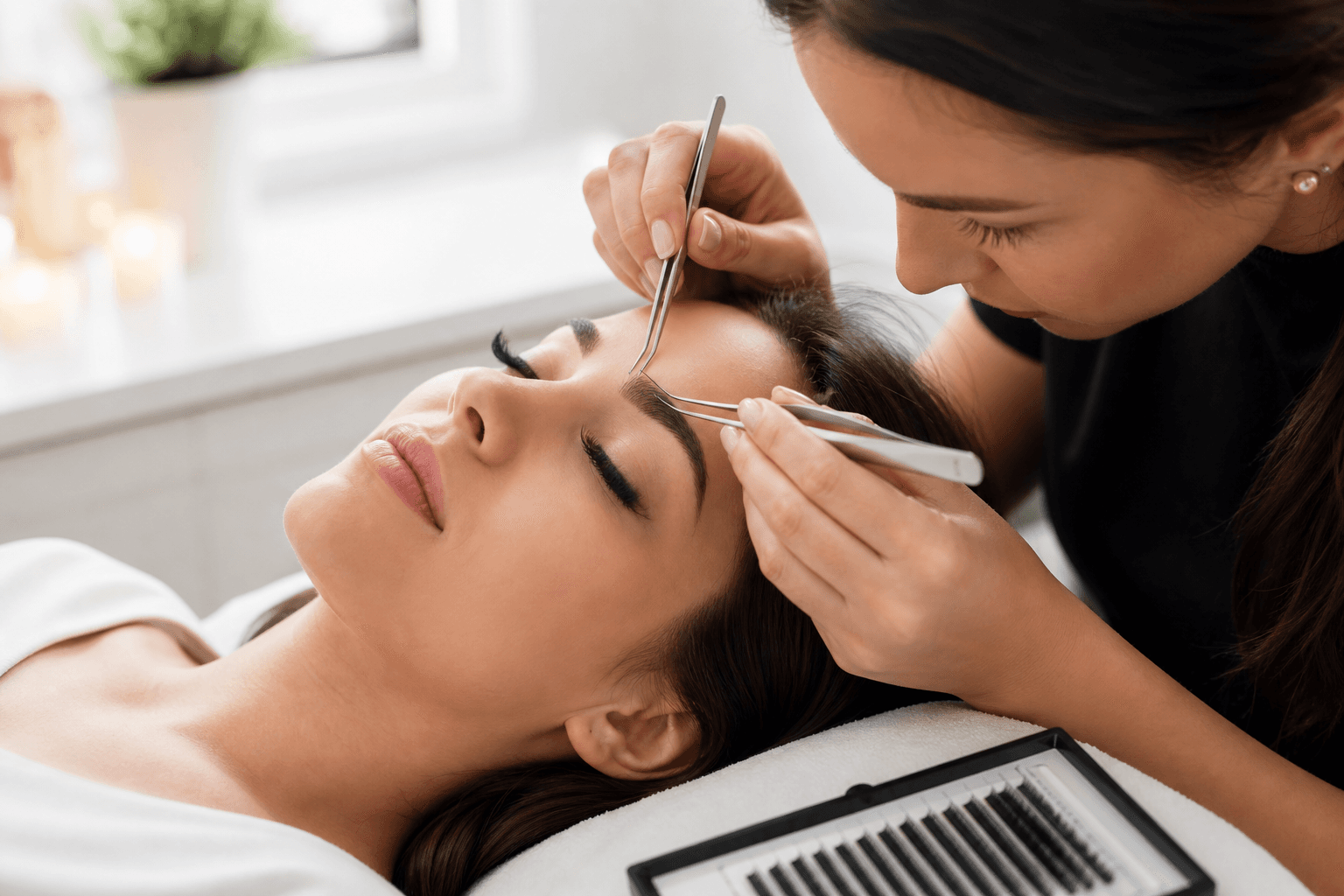
Clients are not booking the same facials they booked three years ago.
In 2026, the treatment menu that fills your calendar looks different. Clients arrive with more research, more specific goals, and more willingness to invest — but only when they trust that you understand what their skin actually needs.
That shift is showing up everywhere: in consultation requests, in social media saves, in the services competitors are launching, and in the questions clients ask before they ever book.
Whether you run a solo esthetics practice, a full-service spa, or a med spa adding advanced skincare, understanding these treatment trends is how you stay relevant, price confidently, and turn curiosity into repeat bookings.
Here are the eight skincare and treatment trends driving bookings in 2026 — and what they mean for your business.
1. Skin Barrier Repair Is the New Anti-Aging
For years, aggressive exfoliation and "more is more" skincare dominated treatment rooms. In 2026, the pendulum has swung hard in the opposite direction.
Clients are arriving with compromised barriers — over-exfoliated skin from at-home acids, retinol overload, harsh scrubs, and too many active ingredients layered without guidance. They do not want another peel. They want calm, resilient, healthy skin.
What clients are asking for:
- Barrier-repair facials focused on hydration, ceramides, and gentle restoration
- Treatments that reduce redness, sensitivity, and reactive skin
- Professional guidance on simplifying home routines
- Microbiome-aware skincare that supports the skin's natural balance
- Recovery-focused protocols after laser, microneedling, or aggressive at-home routines
Why it's trending:
Social media educated clients about the skin barrier faster than most professionals expected. "Damaged moisture barrier" is now common client vocabulary. The estheticians and spas winning this trend are the ones who can diagnose barrier issues, explain them clearly, and offer a credible recovery plan.
What to do: Build a signature barrier-repair facial and market it explicitly. Use digital intake forms to capture current home routines, sensitivities, and product history before the appointment. Clients who feel understood on visit one rebook faster.
2. Bio-Stimulating Treatments Move From Niche to Menu Essential
Collagen-stimulating and bio-regenerative treatments are no longer reserved for high-end med spas. Clients want results — but they increasingly want results that look natural and improve skin quality over time, not just immediate surface change.
What's gaining traction:
- Microneedling with growth factors, exosomes, or bio-stimulating serums
- RF microneedling for texture, laxity, and collagen remodeling
- PRP and platelet-rich fibrin (PRF) add-ons to facial protocols
- Polynucleotide and bio-remodeling injectable-adjacent skincare services where licensed
- Combination protocols that pair stimulation with barrier support and LED therapy
Why it's trending:
Clients have seen the results on social media. They understand that collagen loss, texture, and laxity require more than a hydrating facial — but they still want to avoid the "overdone" look. Bio-stimulating treatments occupy the sweet spot: visible improvement with a natural finish.
What to do: If you offer advanced services, make the education clear. Clients need to understand the difference between a maintenance facial and a results-driven series. Package bio-stimulating treatments into series with clear timelines and pricing that reflects outcomes, not just appointment time.
3. Skinimalism: Healthy Skin Over Filtered Perfection
The aesthetic clients want in 2026 is not airbrushed. It is luminous, even, hydrated, and believable.
"Skinimalism" — the move toward fewer products, simpler routines, and skin that looks good in real life — has fully entered the treatment room. Clients are tired of chasing perfection. They want skin that looks like skin, only better.
What this looks like in services:
- Glow-focused facials rather than aggressive resurfacing
- "No-makeup makeup" skin prep services before events
- Dermaplaning and light enzyme peels for smoothness without downtime
- Hydration and luminosity as primary treatment goals
- Finishing treatments that enhance natural texture rather than mask it
Why it's trending:
The cultural shift away from heavy contour and toward "clean girl" and "quiet luxury" aesthetics has changed what clients consider beautiful. They want to look refreshed, not transformed. This trend rewards estheticians who excel at consultation, subtle improvement, and honest recommendations.
What to do: Reframe your menu language. Instead of leading with clinical terms clients do not understand, lead with outcomes they feel: "calmer skin," "more even tone," "healthy glow," "event-ready luminosity." Update your portfolio and social media content to show realistic, flattering results — not over-edited skin.
4. Menopause and Hormonal Skin Services
One of the most underserved — and fastest-growing — client segments in skincare is women navigating perimenopause and menopause.
Hormonal shifts change skin in ways that standard anti-aging facials often miss: increased dryness, thinning, sensitivity, breakouts, rosacea flares, loss of elasticity, and changes in pigmentation. Clients in this stage often feel invisible in beauty marketing and frustrated by providers who treat them like generic "mature skin."
What clients want:
- Providers who understand hormonal skin changes without condescension
- Treatments that address dryness, sensitivity, and loss of firmness together
- Honest conversations about what professional skincare can and cannot do
- Protocols that work with changing skin, not against it
- A long-term relationship with someone who tracks their skin over time
Why it's trending:
The "menopause beauty" conversation has gone mainstream. Brands, influencers, and medical professionals are talking about it openly — and clients are looking for estheticians who can meet them there with knowledge and empathy.
What to do: Create a dedicated menopause-informed facial or skin series. Train your team on hormonal skin changes. Capture life-stage information in client records so every visit builds on the last. This is exactly the kind of hyper-personalization that turns one-time bookings into years of loyalty.
5. Scalp Health Becomes a Core Service Category
Scalp care is no longer an add-on buried at the bottom of a spa menu. In 2026, it is a standalone category — and one of the strongest bridges between hair and skincare.
What's driving demand:
- Hair loss and thinning concerns across age groups
- Scalp buildup, flaking, and sensitivity from product overload
- Growth in trichology-inspired treatments and scalp facials
- Clients connecting scalp health to hair quality and retention
- Salons and spas adding dedicated scalp analysis and treatment rooms
Popular service formats:
- Scalp analysis with camera or visual assessment
- Exfoliating and detoxifying scalp treatments
- Growth-supporting serums and massage protocols
- LED or microcurrent add-ons for scalp circulation
- Take-home scalp care retail programs
Why it's trending:
Clients already spend significantly on hair. When they understand that scalp health affects hair quality, they are willing to invest in professional treatment — especially when results are visible in texture, volume, and comfort. For salons with esthetics, scalp services create cross-selling opportunities between hair and skin departments.
What to do: If you offer both hair and skin services, connect the menu intentionally. If you are esthetics-only, consider a focused scalp facial for clients experiencing dryness, sensitivity, or stress-related scalp issues. Document results and retail recommendations in client records — AI tools for estheticians make tracking these details much easier at scale.
6. Gentle Resurfacing Replaces the Aggressive Peel Era
Clients still want smoother texture, clearer pores, and brighter tone. They just do not want a week of peeling and hiding from sunlight.
What's replacing old-school aggressive peels:
- Progressive peel series with minimal downtime
- Enzyme treatments for sensitive and reactive skin
- Lactic and mandelic acids at controlled strengths
- Hydra-style exfoliation and infusion systems
- LED and calming modalities paired with light resurfacing
- Customized peel protocols based on skin analysis, not a one-size-fits-all menu
Why it's trending:
Clients have learned — often the hard way — that aggressive treatments without proper support damage skin. They want improvement they can maintain, not a dramatic result followed by weeks of recovery. Providers who can deliver visible refinement with smart, conservative protocols are winning trust.
What to do: Audit your peel and resurfacing menu. If every client gets the same treatment regardless of skin type, you are leaving safety and results on the table. Build tiered options: a "first-time resurfacing" protocol for cautious clients, a maintenance protocol for established clients, and an advanced series for those ready for more. Always pair resurfacing with barrier support — the trend is combination, not isolation.
7. Body Treatments and Lymphatic Services Surge
Facials get the attention, but body treatments are having a major moment in 2026.
What's booking:
- Lymphatic drainage for bloating, post-travel recovery, and wellness
- Body contouring and sculpting treatments (non-invasive)
- Back facials and body acne protocols
- Dry brushing and body exfoliation rituals
- "Total skin health" packages that combine face and body
- Pre-event body treatments for weddings, vacations, and photoshoots
Why it's trending:
The wellness-beauty convergence that defined 2026 industry trends is showing up in treatment demand. Clients view body services as self-care, not vanity. Lymphatic work in particular has exploded on social media — clients arrive asking for it by name.
What to do: If you have the training and equipment, add at least one signature body treatment to your menu. Package it with facials for event prep or seasonal promotions. Body services often have lower competition than facials and can fill slower appointment blocks. Market them as wellness experiences, not just aesthetic fixes.
8. Consultation-First, Analysis-Guided Treatment Plans
The biggest shift in 2026 is not a single ingredient or device. It is how clients expect to be treated before any service begins.
Clients want a plan — not a menu item picked at random. They expect skin analysis, honest assessment, clear recommendations, and a rationale for why a specific treatment makes sense for them.
What consultation-first looks like:
- Digital or visual skin analysis as a standard first step
- Thorough intake covering medications, allergies, home routine, and goals
- Treatment plans presented as a series, not a one-off upsell
- Before photos and progress tracking across visits
- Aftercare instructions customized to the service and the client
- Follow-up communication that reinforces the plan between appointments
Why it's trending:
Clients have too many options. The provider who educates, personalizes, and builds a credible plan wins over the provider who asks "what facial do you want?" Generic service menus feel outdated when clients can research treatments online in minutes.
What to do: Treat the consultation as a product, not a free formality. Use digital intake forms to gather information before the appointment so you can spend consultation time on analysis and recommendations, not paperwork. Send personalized aftercare automatically. Track progress in client records so every return visit feels continuous, not starting from scratch.
This is also where technology makes a measurable difference. AI-powered client management helps you remember preferences, flag rebooking windows, and maintain the consistency that consultation-first service requires.
How to Use These Trends in Your Business
You do not need to rebuild your entire menu overnight. The estheticians and spas gaining the most from these trends are doing three things well:
- They pick 2-3 trends that fit their skills and clientele — and go deep rather than wide
- They communicate clearly — clients should understand why a service exists and who it is for
- They connect treatment to retention — one-off facials are transactions; treatment plans are relationships
If You Are Just Starting to Adapt
Start with consultation-first service delivery and one new signature treatment that aligns with demand in your area. Barrier-repair facials and skinimalism-style glow services are accessible entry points that do not require major equipment investment.
If You Are Ready to Expand
Consider menopause-informed services, bio-stimulating protocols, or scalp health offerings. These trends support higher price points and stronger client loyalty when delivered with genuine expertise.
If You Run a Med Spa or Advanced Practice
Bio-stimulating treatments, gentle resurfacing series, and analysis-guided plans are your competitive advantage. The clients searching for these services are ready to invest — they need a provider who can explain options with confidence and consistency.
The Bigger Picture
These treatment trends do not exist in isolation. They connect directly to the broader shifts reshaping the beauty industry in 2026: personalization, wellness integration, education as marketing, and technology that supports — not replaces — professional judgment.
The equipment powering these treatments matters. The AI tools managing your business matter. But what matters most is whether clients trust you to guide their skin with knowledge, honesty, and care.
That trust is what turns a trending treatment into a booked calendar — and a one-time visitor into a client for life.
ProBeauty AI helps estheticians, spas, and beauty professionals manage bookings, client records, digital intake forms, AI-powered communication, and business growth in one platform. Spend less time on admin and more time delivering the treatments clients are searching for. Get started free.