Clients are walking into salons in 2026 with Pinterest boards, TikTok screenshots, and very specific ideas about what they want — but also more anxiety than ever about damage, maintenance, and whether a trend will actually work on their hair.
The stylists filling their books are not just talented behind the chair. They are the ones who understand which trends are driving real demand, which ones translate across hair types, and how to turn a trending look into a service clients will rebook every six to eight weeks.
Whether you work in a high-volume salon, a boutique color studio, or a solo suite, these are the hair color and styling trends shaping client demand in 2026 — and what they mean for your menu, your pricing, and your marketing.
1. "Expensive Brunette" and Rich Dimensional Color
Blonde will always have its moment, but in 2026, deep, multi-tonal brunette color is one of the most requested — and most profitable — services in the salon.
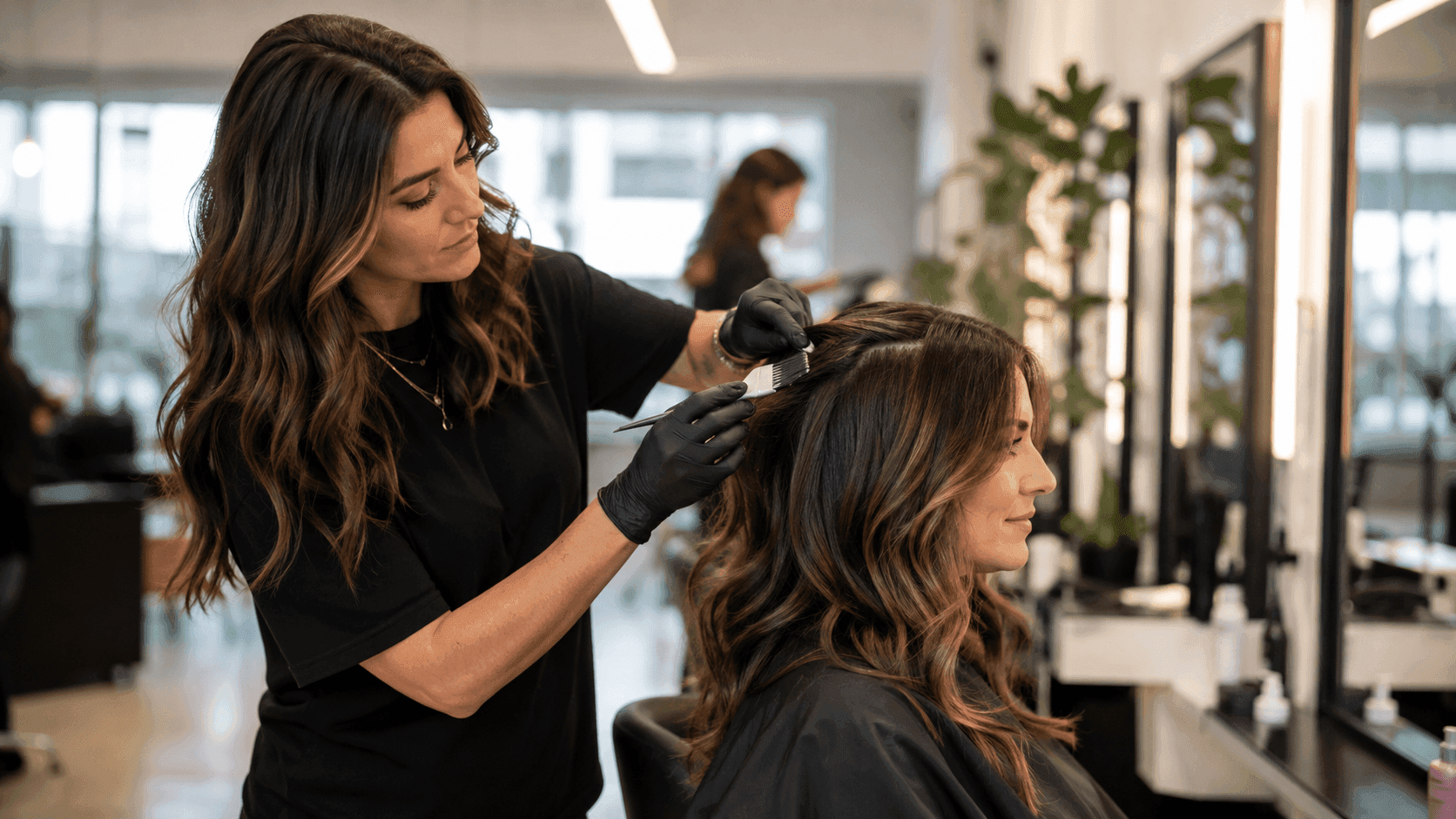
Clients are asking for what social media calls "expensive brunette": rich chocolate, espresso, and chestnut bases with subtle dimension, soft lowlights, and a glossy, healthy finish that looks polished without being high-maintenance.
What clients want:
- Depth and dimension without obvious stripey highlights
- Warm or cool brunette tones customized to skin undertone
- Shine and health as part of the color result, not an afterthought
- Color that grows out gracefully between appointments
- A luxurious, "quiet luxury" finish rather than high-contrast drama
Why it's trending:
The cultural shift toward understated elegance — the same force driving skinimalism in skincare — has reached hair color. Clients want to look expensive, not overdone. Brunette services also tend to require less frequent lightening, which means less damage and often happier long-term clients.
What to do: Feature brunette transformations prominently in your portfolio. Create a named color service — "Dimensional Brunette" or "Rich Gloss Color" — so clients know exactly what to ask for. Use AI image tools to show brunette tone options during consultations when clients struggle to articulate what they want.
2. Lived-In Color and Low-Maintenance Grow-Out
The era of rigid root touch-ups every four weeks is fading. Clients in 2026 want color that looks intentional as it grows — not like they're overdue for an appointment.
Lived-in color — soft root melts, blended balayage, and grow-out-friendly highlights — has moved from a niche technique to a baseline expectation.
What this looks like in the chair:
- Softer root transitions instead of hard lines
- Balayage and foilyage designed for 3-4 month refresh cycles
- Strategic placement that works with natural part lines and styling habits
- Toning services that refresh color between full appointments
- Honest conversations about maintenance before the service starts
Why it's trending:
Clients learned the hard way that high-maintenance color is expensive and damaging. They want beautiful results that fit real life — busy schedules, budgets, and the reality that they will not be back in four weeks. Stylists who master lived-in color build loyal clients who rebook on a sustainable cadence instead of disappearing when upkeep feels overwhelming.
What to do: Reframe your consultation around maintenance from the start. Show clients what their color will look like at 6, 10, and 14 weeks. Package toning glosses and bond treatments as between-appointment services. Clear maintenance expectations reduce bad reviews and increase trust.
3. The Bob Is Back — In Every Length and Texture
If one cut defines 2026 salon demand, it is the bob. But not the one-size-fits-all bob of previous decades — 2026 bobs are customized, textured, and adapted to face shape, hair density, and lifestyle.
What's booking:
- Soft Italian bob with movement and subtle layers
- Blunt chin-length bobs with precision cutting
- Textured lobs (long bobs) for clients not ready to go short
- Bobs with face-framing layers and curtain bangs
- Curly and coily bobs shaped for natural texture
- "Boyfriend bob" — slightly undone, effortless, air-dried
Why it's trending:
The bob is versatile, photogenic, and signals a confident style reset. Clients coming off long hair eras — post-pandemic growth, extension phases, or damage recovery — are ready for something fresh but not extreme. Social media has also normalized bobs across age groups, making it one of the most inclusive trend categories in hair.
What to do: Build a bob consultation into your booking flow. Not every face shape suits every bob length — clients need guidance, not just a reference photo. Share before-and-after bob transformations on social media with honest captions about styling time and daily maintenance. Bobs that look effortless often require the most skilled cutting.
4. Scalp Health and Bond Repair as Standard Add-Ons
Hair color trends get the attention, but one of the biggest revenue shifts in 2026 is happening at the scalp and in the bond repair category.
Clients understand that healthy hair color starts with a healthy foundation. They are asking about scalp treatments, bond builders, and repair services — and they expect them to be part of the professional experience, not optional upsells hidden at checkout.
What's gaining traction:
- Pre-color scalp treatments and exfoliation
- Bond-building treatments integrated into color services (not just add-ons)
- Scalp detox and hydration services for clients with buildup or dryness
- Post-color repair masks and take-home bond care
- Scalp analysis as part of the color consultation
- Retail programs for bond repair and scalp health products
Why it's trending:
Years of at-home bleaching, over-processing, and product overload left many clients with damaged hair and skeptical minds. They want color results without sacrifice. Scalp health also connects directly to the skincare and wellness trends reshaping the broader beauty industry — clients see hair and scalp as one system.
What to do: Integrate at least one scalp or bond service into your color menu visibly — not buried in fine print. Train every stylist to explain why it matters in plain language. Clients who feel their hair health is protected rebook color services with confidence and buy retail.
5. Softer Face-Framing and the Evolution of the Money Piece
Face-framing highlights are not new — but the 2026 version is softer, more blended, and more customized than the stark money pieces that dominated TikTok a few years ago.
What clients are asking for:
- Subtle brightness around the face without obvious contrast
- "Kisses of light" rather than bold streaks
- Face-framing that works with their natural part and daily styling
- Low-maintenance brightness that does not require constant toning
- Color that enhances features without dominating the look
Why it's trending:
Clients saw the money piece trend, tried it, and many learned that high-contrast face framing requires serious upkeep. The evolved 2026 version delivers the same face-brightening effect with less commitment — and stylists who can explain the difference build immediate credibility.
What to do: Offer face-framing as a standalone service for clients not ready for full color. Show the range — from subtle to bold — in your consultation and portfolio. Use AI color preview tools to help clients visualize how different framing intensities will look with their base color.
6. Texture Services Make a Comeback
After years of blowout culture and sleek styling, texture is having a major moment. Clients want movement, volume, and styles that work with their natural hair — not against it.
What's booking:
- Modern perms and texture waves (far from the 1980s version)
- Beach wave and soft curl services
- Air-dry cuts designed to look good without heat styling
- Curl enhancement and shape cuts for natural texture
- Wavy blowout services that embrace imperfection
- Texture-specific product coaching and styling lessons
Why it's trending:
The heat-free and "effortless beauty" movements changed what clients consider a good hair day. Many are tired of fighting their natural texture every morning. Stylists who can cut, color, and style for natural movement — rather than only delivering a perfect blowout — are capturing a growing client segment.
What to do: If you offer texture services, market them explicitly — many clients do not know modern perms exist or assume they will damage hair. Show real results on different hair types. Pair texture services with styling education so clients leave confident, not confused.
7. Gray Blending Over Full Coverage
The all-or-nothing approach to gray hair — either full color coverage or fully silver — is giving way to a middle path that dominates 2026 demand: gray blending.
What gray blending looks like:
- Soft highlighting and lowlighting that weaves gray into the overall color
- Reducing contrast between gray and pigmented hair rather than hiding it completely
- Toning services that brighten silver without full bleaching
- Transition support for clients moving away from years of all-over color
- Honest timelines for going more natural over 12-18 months
Why it's trending:
Clients are embracing authenticity — but they want to look polished while getting there. Full gray transitions are emotionally and technically demanding. Gray blending lets clients look great now while gradually shifting their color strategy. It also reduces the maintenance burden that drives many clients away from color services entirely.
What to do: Create a dedicated "gray blending" or "gray transition" service on your menu. This is one of the highest-trust services in hair — clients are vulnerable and need a stylist who will be honest about the process. Document journeys over months and share them (with permission) as content. These stories build deep loyalty.
8. Consultation-First Color with Visual Previews
The biggest shift in how clients choose hair services is not a color or cut — it is the expectation that they will understand the result before they commit.
In 2026, clients expect thorough consultations, realistic expectations, and — increasingly — a way to visualize color and cut options before the service begins.
What consultation-first color looks like:
- Detailed intake on hair history, previous color, and at-home products
- Scalp and strand assessment before any chemical service
- Honest conversations about what is achievable in one session
- Visual references aligned to the client's hair type and skin tone
- AI or AR previews for color and cut options
- Documented plan with maintenance timeline and pricing before starting
Why it's trending:
Bad color experiences spread faster than good ones — one viral TikTok about a color disaster reaches millions. Clients are cautious. They have seen what can go wrong, and they want a stylist who listens, assesses, and plans before picking up a bowl and brush.
Stylists who treat consultation as a premium part of the service — not a rushed five minutes — win trust and reduce corrections.
What to do: Block adequate consultation time for new color clients. Use digital intake forms to capture color history before they arrive. Leverage AI image previews to align on tone and style before applying product — this alone can reduce miscommunication and improve satisfaction dramatically.
How to Turn Trends Into Bookings
Trends only matter if they fill your calendar. The stylists and salons gaining the most from 2026 hair trends share three habits:
- They name their services clearly — clients book what they can ask for by name
- They show real work on real hair types — not just influencer references
- They connect trends to retention — a great color service is the start, not the finish
If You Want More Color Clients
Lead with lived-in color, expensive brunette, and gray blending in your marketing. These are the highest-demand color categories with strong rebooking potential.
If You Want to Increase Service Revenue
Focus on scalp health add-ons, bond repair integration, and toning glosses between appointments. These protect hair health and add revenue without requiring a full color session.
If You Want to Attract New Clients
Bobs, texture services, and face-framing specials are strong entry points — lower commitment than full color, highly shareable on social media, and natural gateways to color services later.
The Bigger Picture
Hair trends in 2026 reflect the same forces reshaping the broader beauty industry: clients want results that look natural, services that fit real life, and professionals who educate rather than just execute.
The salon owners and hairstylists winning right now are combining trend awareness with smart business systems — online booking, client records, automated follow-ups, and marketing that showcases their best work consistently.
Trends bring clients in the door. Your skill, your consultation, and your systems keep them coming back.
ProBeauty AI helps hairstylists and salon owners manage bookings, client records, AI-powered color previews, marketing content, and business growth in one platform. Spend less time on admin and more time behind the chair. Get started free.